Meet the neighbors

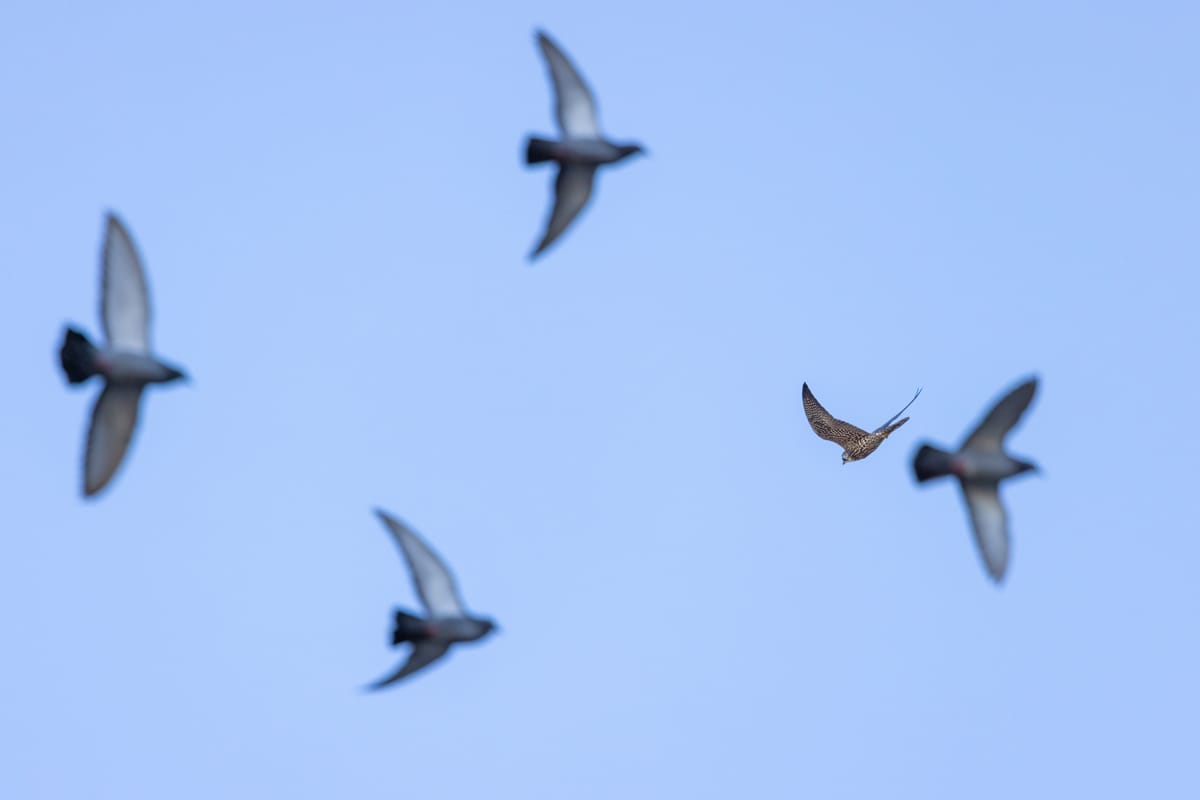
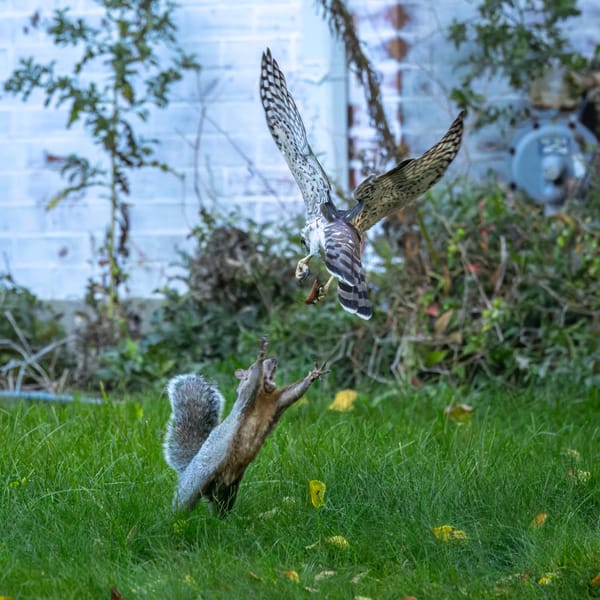
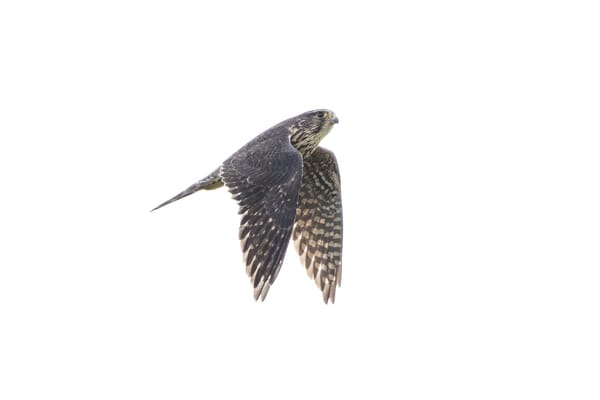
What’s it like to be a pigeon living with Peregrines? I wonder if there are only older, healthier, and luckier pigeons downtown. Is that all we see? Do the young, sick, and unlucky eventually meet the talons of a falcon and have their feathers unceremoniously tossed to the wind. There must certainly be healthy and strong pigeons who also meet this fate. Peregrines are opportunists.
But what is it like to live with a pair of beings, who can and will eat you if given the chance, perched a few buildings over, in your line of sight? Do you learn their rhythms and dance accordingly, laying low during hunting hours? Do you tire of involuntarily responding to the panicked departure of or your friends who are just a little too paranoid and send the whole flock into the air when they sense a threat. They can’t tell a hawk from a heron. Or are you grateful for their sensitivities because you know that, however draining, it’s better than meeting the neighbors face to face.
Can you ever enjoy flying? Or are you like the antelope who grazes near the lion, who can read their intent, who knows the shrinking expanses of time when it’s safe to wander.
Are you confident in the sharpness of your senses, your gifts as an aviator, your storyline? Or are you settled in the understanding that you and the peregrines are linked, and that you might be what allows them to live, and that uncertainty is life. Not just part of life, but soaked into what life is, inseparable. It won’t rinse out in the rain.
I wonder if it nurtures our experiences of the world? Is uncertainty crucial to our sense of joy, love, connection, gratitude? Is it a wellspring of meaning because it provides a counterpoint, a contrast, a way to delineate beauty?
I suppose humans do the same when we wake up each morning. What are our peregrines? I’m afraid the answer is that it’s usually us. Cops, ICE agents, violent partners, car accidents, a political system that profits off of wars and incarceration, and an economic system that demands some of us live in poverty. Outside of ‘us’ the falcons we face look like medical diagnoses, viruses, and other natural born agents of change.
How do we nurture a relationship with uncertainty that leans on both our confidence and our gratitude? How do we practice a humility that invites both peace and presence?